

Table Of Contents
When Mother’s Day comes around, one question surfaces again and again.
Which flower actually belongs to it?
The answer is the carnation.
It has held that place for more than a century, and the reason is more personal and more surprising than most people realize.
This is the full story of the Mother’s Day flower.
What it means, where it came from, what each color signals, and how to give it in a way that still carries weight.
Quick Answer: The Mother’s Day Flower Is The Carnation
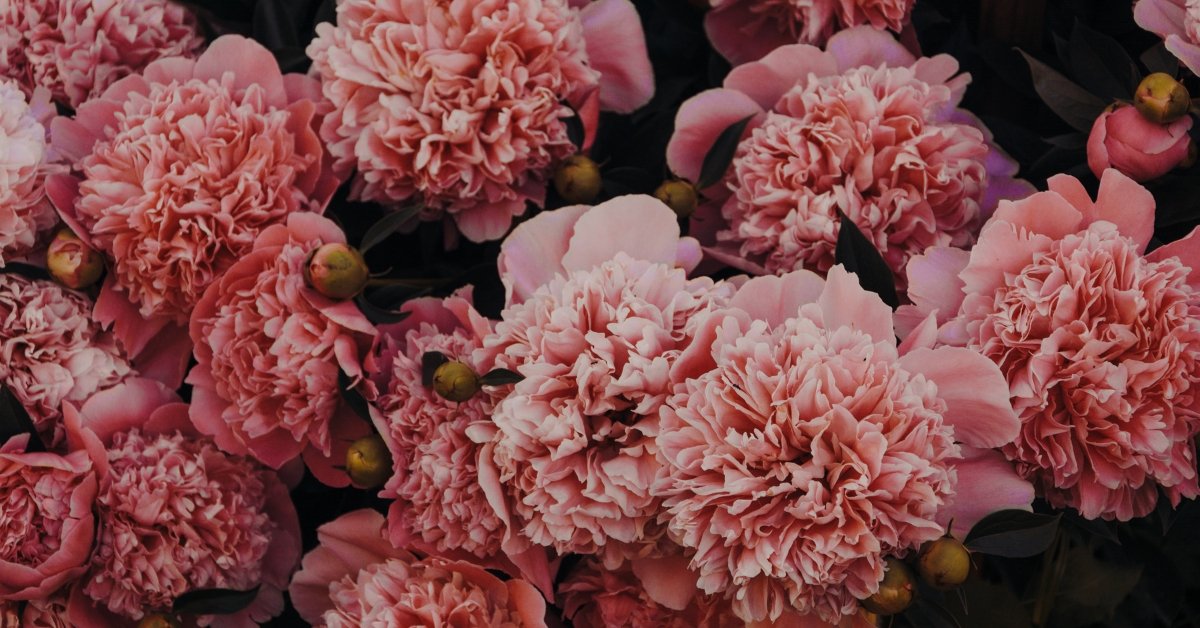
The carnation is the flower most closely tied to Mother’s Day.
A woman named Anna Jarvis chose it when she founded the holiday in the United States, because it was her own mother’s favorite bloom.
Over time, the carnation became the standard, valued for its meaning, its long vase life, and its gentle, old-fashioned charm.
If you remember nothing else, remember this.
A colored carnation honors a living mother.
A white carnation honors a mother who has passed.
What Each Carnation Color Means
Color is where the carnation carries its message.
Here is what the common shades signal:
- White: remembrance and pure love, traditionally for a mother who has passed away.
- Pink: gratitude and affection, the most popular choice for a living mother.
- Red: deep love and admiration.
- Light or striped: a softer, more playful note, often shared among friends and family.
One point is worth clearing up.
The original meaning, set by Anna Jarvis, was simple: a colored carnation for a living mother, a white carnation for one who had died.
The more detailed color code we use today was shaped later by florists.
Both versions are widely accepted now, so you can choose the meaning that feels right to you.
Why The Carnation? The Story Behind The Flower
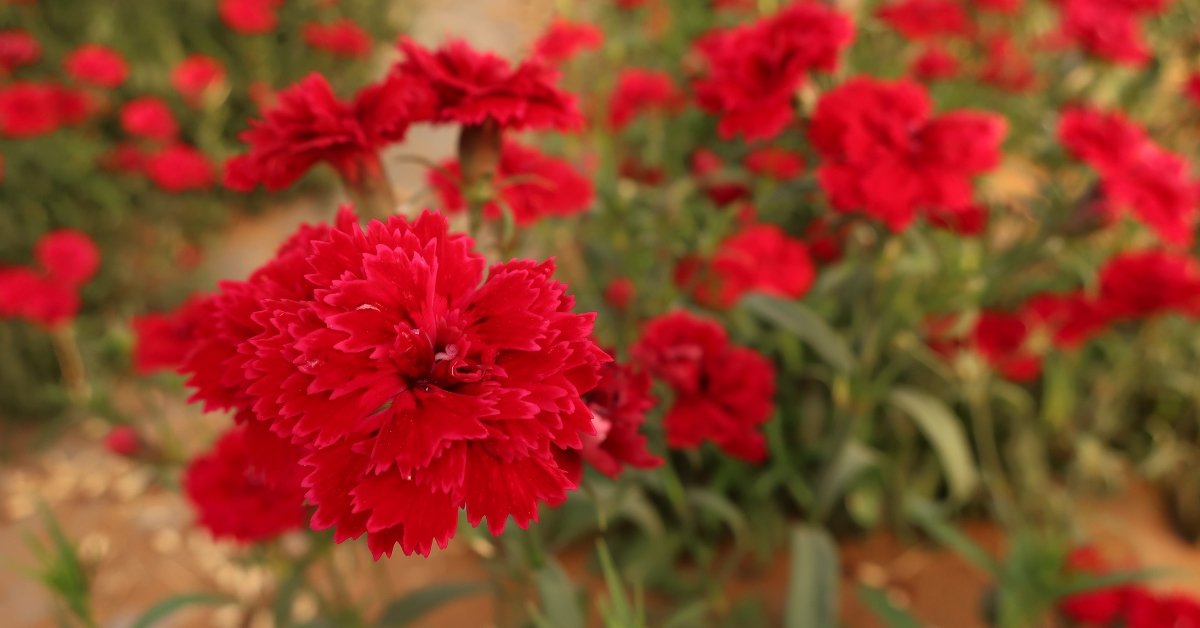
Mother’s Day in the United States began with Anna Jarvis.
Her mother, Ann Reeves Jarvis, was a community organizer in West Virginia who spent her life improving health and care for local families.
After she died in 1905, Anna set out to honor her with a dedicated day of remembrance.
The first official Mother’s Day was held on May 10, 1908, at Andrews Methodist Episcopal Church in Grafton, West Virginia.
Anna sent five hundred white carnations to the service.
She chose the carnation for one reason.
It was her mother’s favorite flower, and to Anna, its white bloom stood for the purity and quiet strength of a mother’s love.
By 1914, President Woodrow Wilson had made Mother’s Day a national holiday, and the carnation came with it.
The History Most People Never Hear
There is a second half to the story, and it gives the flower real weight.
Anna Jarvis grew to dislike what Mother’s Day became.
Within a few years of the holiday going national, florists were raising carnation prices every spring to meet demand.
Card and candy companies followed.
The personal day of remembrance Anna had imagined was turning into a season of shopping.
She pushed back for the rest of her life.
She formed an association to protect her idea and took legal action against businesses that used the name “Mother’s Day” to sell products.
In 1925, she was even arrested after protesting the commercial sale of carnations in the holiday’s name.
Her argument stayed consistent.
A few honest, handwritten words, she believed, meant more than anything bought in a hurry.
You do not have to agree with all of it.
However, it is a useful reminder.
The carnation was never meant to be a transaction.
It was meant to point at one specific mother and say, clearly, that she mattered.
Trivia: A Flower Fit For The Divine
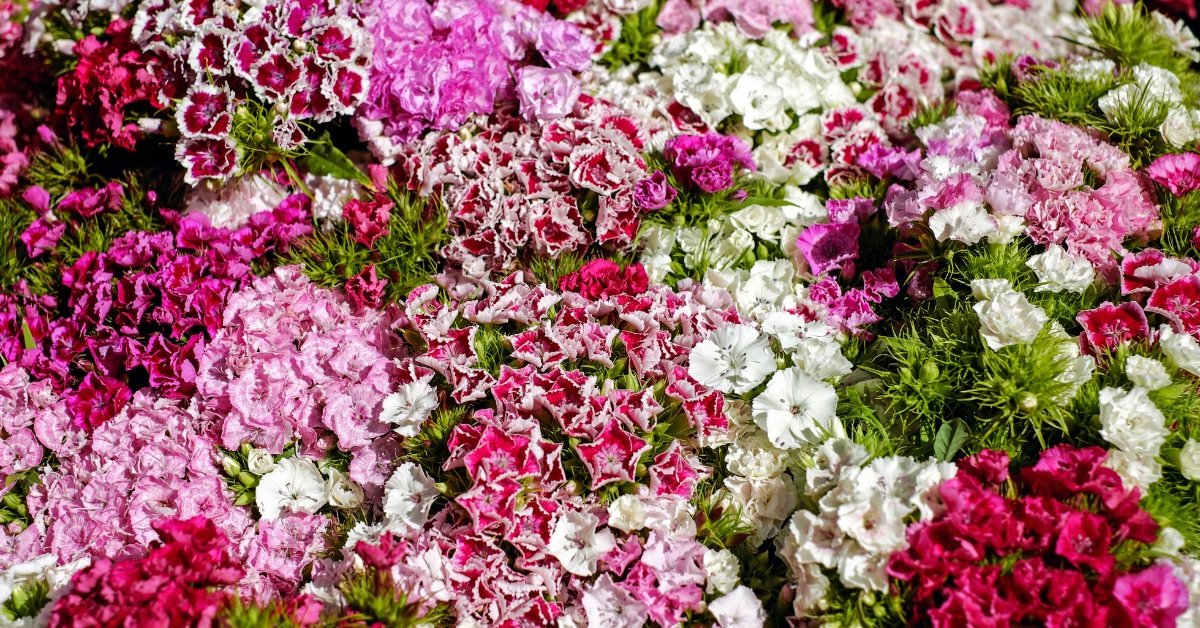
The carnation’s botanical name is Dianthus caryophyllus.
The first part comes from the Greek words for “god” and “flower,” translating roughly to “divine flower.”
It was prized in ceremony and medicine for centuries before it ever reached a Mother’s Day bouquet.
How To Give Carnations Meaningfully
The flower lands harder when there is thought behind it.
A few simple ideas:
- Add a few honest words. A short handwritten note about a specific memory says more than the bouquet alone.
- Match the color to the message. Bright for a living mother, white to remember one you have lost.
- Choose with care over cost. One well-chosen stem can mean more than a large, rushed arrangement.
- Make it about her. The tradition was always about one particular mother, not mothers in general.
How To Care For Carnations
Carnations are among the longest-lasting cut flowers, which is part of why they suit the occasion.
With basic care, they can stay fresh for up to two weeks.
To keep them at their best:
- Trim the stems at an angle every couple of days so they keep drinking water.
- Change the water every two days and add the flower food that usually comes with the bouquet.
- Keep the arrangement out of direct sunlight and away from heat.
- Remove wilting petals as they appear to protect the rest.
They also pair well with roses, lilies, and greenery, so a few carnations can lift a larger bouquet without raising the cost.
Other Flowers For Mother’s Day
The carnation is the classic choice, but it is not the only one.
- Roses: love and admiration.
- Tulips: cheer and the feeling of spring.
- Lilies: elegance and calm.
- Peonies: a soft, full, slightly luxurious look.
- Orchids: something exotic for a mother who likes the unusual.
Whatever you choose, the thought behind it carries the meaning.
The Bottom Line
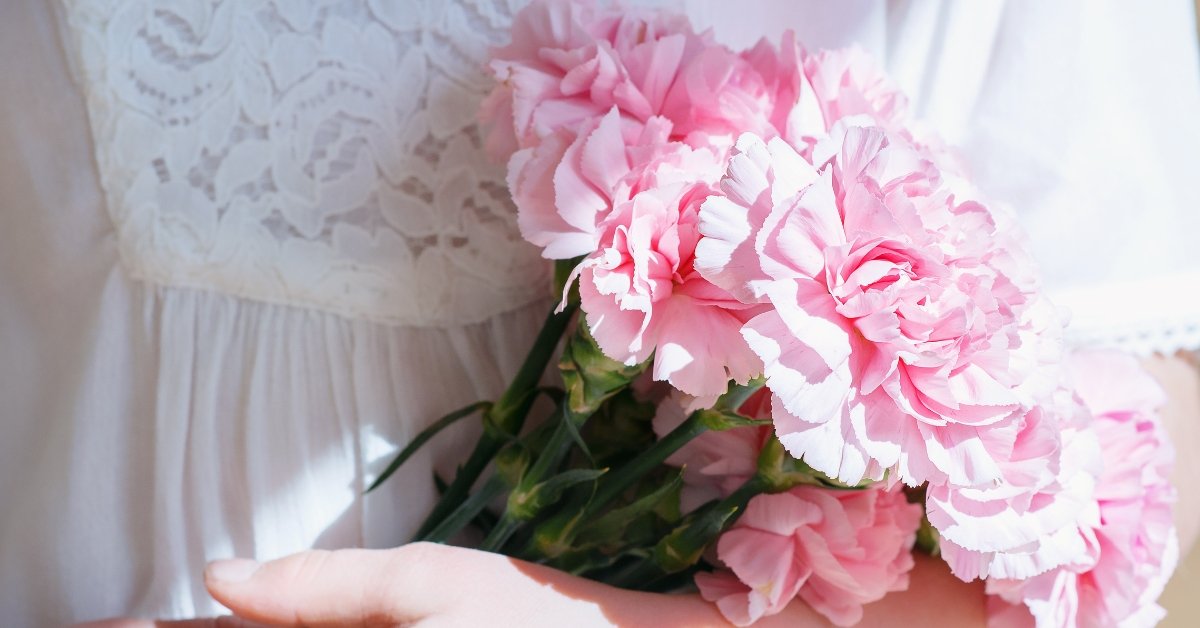
So, which flower is associated with Mother’s Day?
The carnation, chosen long ago by a daughter who wanted to remember her mother well.
The flower is beautiful on its own.
What makes it meaningful is the attention behind it.
Bring the carnations if you like, but bring the words to go with them.
That is the tradition at its best.
Frequently Asked Questions
What is the official flower of Mother’s Day?
The carnation. It was chosen by Anna Jarvis, the founder of Mother’s Day, because it was her own mother’s favorite flower.
What does a white carnation mean on Mother’s Day?
A white carnation honors a mother who has passed away. It stands for pure love and remembrance.
What color carnation is for a living mother?
Traditionally, a colored carnation signals that a mother is living, with pink being the most popular. Pink also carries a sense of gratitude and affection.
Why are carnations associated with Mother’s Day?
Anna Jarvis handed out white carnations at the first Mother’s Day service in 1908 because they were her mother’s favorite. The flower has stayed linked to the holiday ever since.
How long do carnations last?
With fresh water, regular trimming, and flower food, carnations can last up to two weeks, longer than most cut flowers.
About The Author
