
Table Of Contents
Can a nursing home legally serve you a glass of wine?
In most of America, the answer depends on the state, the facility, and a tangle of liquor licensing rules that most families never think about until they run into them.
In Minnesota, the answer just changed.
The state has passed what lawmakers nicknamed the Grandparents Happy Hour law. Starting August 1, 2026, nursing homes, assisted living communities, and boarding care homes in Minnesota can serve alcohol to residents and their guests at organized events without holding a liquor license.
Governor Tim Walz signed the measure in April 2026 as part of a larger omnibus liquor bill. He later held a ceremonial signing event at the senior community where the whole story began.
The Woman Who Started It
This law exists because an 88-year-old woman went viral.
Anita LeBrun lives at Amira Choice, an assisted living community in Champlin, Minnesota. Her community wanted to host happy hours. Staff discovered they could legally host the gathering, but could not legally serve a single drink because no liquor license category in Minnesota applied to a senior living facility.
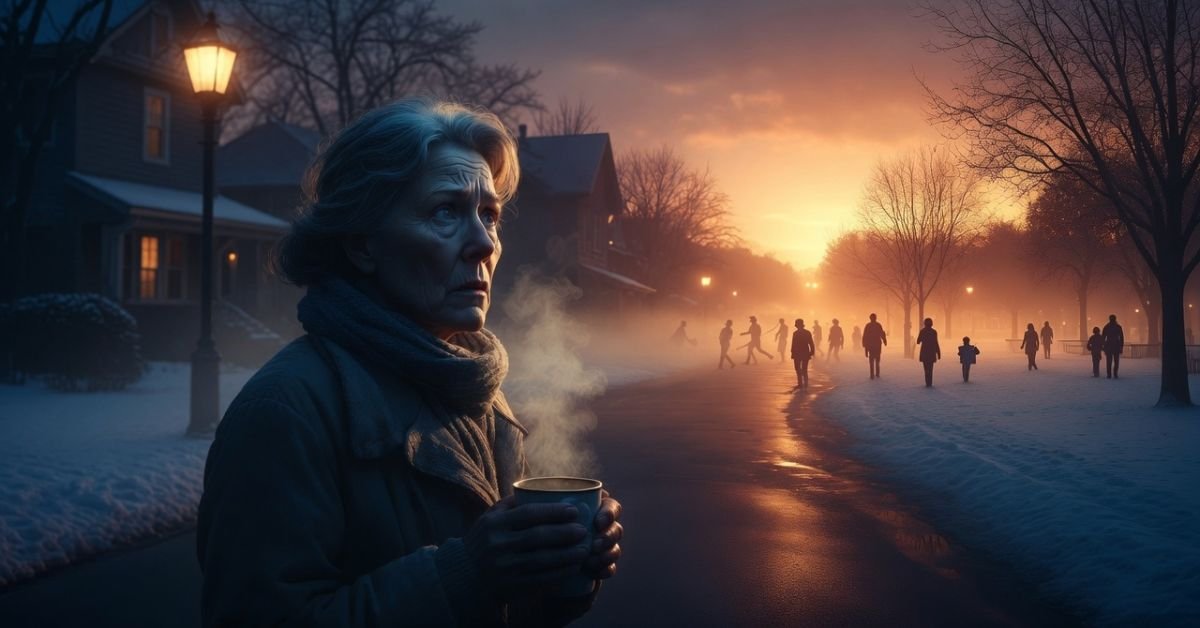
So residents had to bring their own alcohol. In a Minnesota winter, that meant a real problem.
LeBrun told lawmakers that she did not want to risk slipping on the ice to go out and buy her box of wine.
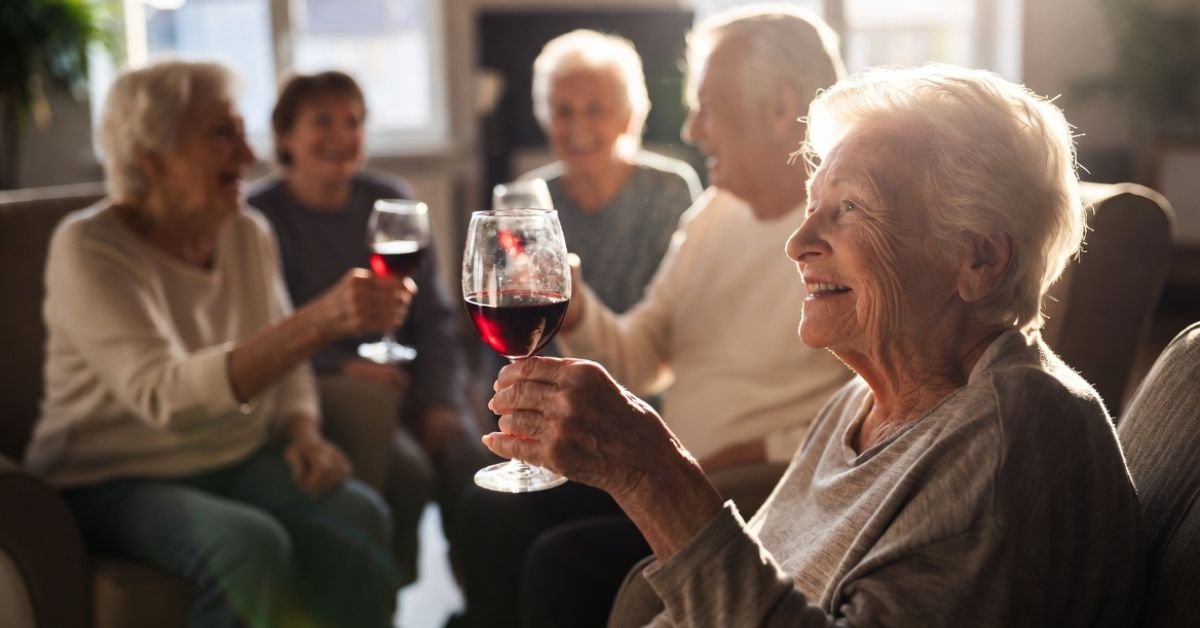
Her testimony before the House Commerce, Finance, and Policy Committee spread widely online. She told legislators that she and her friends love happy hour just like anyone else, and that over a shared drink, they reminisce about military service, raising families, losing friends, and celebrating what she called the golden phase of their lives.
She also made the sharpest argument in the entire debate. Living in an assisted living facility, she said, should not mean having fewer freedoms than anyone else.
Lawmakers agreed, almost all of them.
What The Law Actually Does
The provision was folded into Minnesota’s omnibus liquor bill, filed as SF 2511 and HF 2027, sponsored in the Senate by John Hoffman, a Democrat from Champlin.
The House passed it 129-1. The Senate passed it by a wide bipartisan margin. In a divided political era, a state legislature nearly unanimous on anything is worth noting.
The core change is narrow and specific. Qualifying facilities no longer need a retail liquor license to serve alcohol at resident events.
The conditions attached to it matter just as much:
The facility must notify the state of its intention to serve alcohol and must be operating in good standing.
Alcohol can only be served during activities or events organized for residents. This is not permission to open a bar.
The drinks must be free. The law states that intoxicating liquor may not be sold, offered for sale, or otherwise provided for any form of consideration.
Guests may drink only if a resident physically accompanies them for the entire duration of the event.
Staff serving alcohol must be at least 18 years old, and the facility is responsible for ensuring no one is overserved.
Facilities must comply with Minnesota Department of Health rules and federal Centers for Medicare and Medicaid Services regulations on food safety and storage.
How Other States Handle This
Minnesota was an outlier, and that is what made this news.
Several states already permit alcohol in assisted living and nursing home settings, though the licensing requirements and procedures vary. States like Wisconsin, California, Oregon, Washington, and Colorado take a resident-choice approach, and alcohol is much more commonly available in senior communities there.
Minnesota required a liquor license specifically, which created the gap that this law closed.
Two things stay true everywhere, including in Minnesota after August 1.
First, individual facilities keep the final say. A community can still restrict or prohibit alcohol entirely, and many do, particularly memory care facilities where residents’ health conditions make alcohol inappropriate.
Second, facility policies vary far more than state laws do. Two communities in the same city can have completely different rules. For families comparing senior living options, the facility handbook matters more than the state statute.
There is also a wider industry trend worth knowing. The social ritual matters more than the alcohol. Some senior living operators now build entire non-alcoholic drink menus for residents, including mocktails designed for memory care communities. Residents show up for the gathering, the music, and the conversation, with or without the wine.
Why Advocates Say This Is Bigger Than A Drink
The advocacy group LeadingAge Minnesota called the old liquor license requirement duplicative rather than protective, and framed the law as restoring a basic expectation. Moving into a senior community should not mean surrendering adult autonomy.
There is a public health argument underneath the dignity argument.
Social isolation among older adults is a serious, well-documented problem. Research reviewed by the National Academies of Sciences, Engineering, and Medicine has found that roughly one in four adults aged 65 and older is considered socially isolated, and isolation is linked to higher risks of heart disease, dementia, and early death.
Organized social events are one of the few reliable tools facilities have against that. Removing a legal barrier that made those events harder to run is a quality-of-life change, not just a regulatory cleanup.
What The Law Does Not Settle
Honest coverage requires saying what this law leaves open, because it leaves plenty open.
Some nurses and care professionals have raised real questions. Who screens for interactions between alcohol and the long medication lists many residents have? Where does staff responsibility end if a resident is harmed after drinking? What happens with residents whose cognitive status is borderline rather than clearly impaired?
The law makes facilities responsible for preventing over-serving, but it does not spell out clinical protocols. Those decisions land on individual facilities, their medical directors, and their staff.
The law also does not create any right to drink. A facility that chooses not to serve alcohol is fully within its rights, and residents cannot demand that it do so.
Questions To Ask Your Facility After August 1
If you have a parent or family member in a Minnesota senior community, here is what to actually ask:
Has the facility filed its notification with the state to serve alcohol at events?
What is the facility’s written alcohol policy, and has it changed because of this law?
Who reviews whether a specific resident can safely drink, given their medications and conditions?
How does the facility handle guests at events where alcohol is served?
What is the policy in the memory care wing, if the community has one?
The answers will tell you far more about the community than the law itself will.
Trivia
The public face of this law is Anita LeBrun, the 88-year-old Amira Choice resident whose committee testimony went viral. Her most quoted argument was not about policy at all. She did not want to slip on the ice while walking out to buy her own box of wine.
The Bottom Line
So, can nursing homes serve alcohol? In Minnesota, from August 1, 2026, yes, at organized resident events, for free, under state health rules, with no liquor license required.
The drinks must be free. The events must be organized. Guests must stay with their resident hosts. Facilities have the final say, and memory care residents are usually the exception.
The law fixes a small licensing oversight. The reason it made national news is the principle behind it. Older adults in care facilities are still adults, and Minnesota just wrote that into law.
About The Author